DJI Lito X1 vs Mini 5 Pro: Best Value 4K Drone in 2026?
A Surprising Camera Showdown That Changes the Conversation
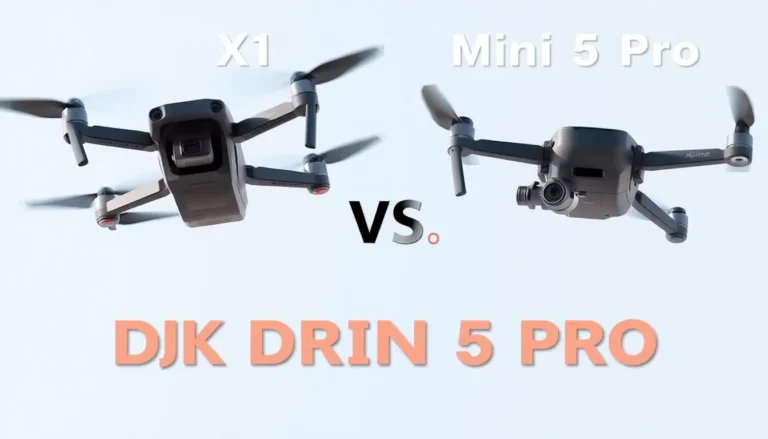
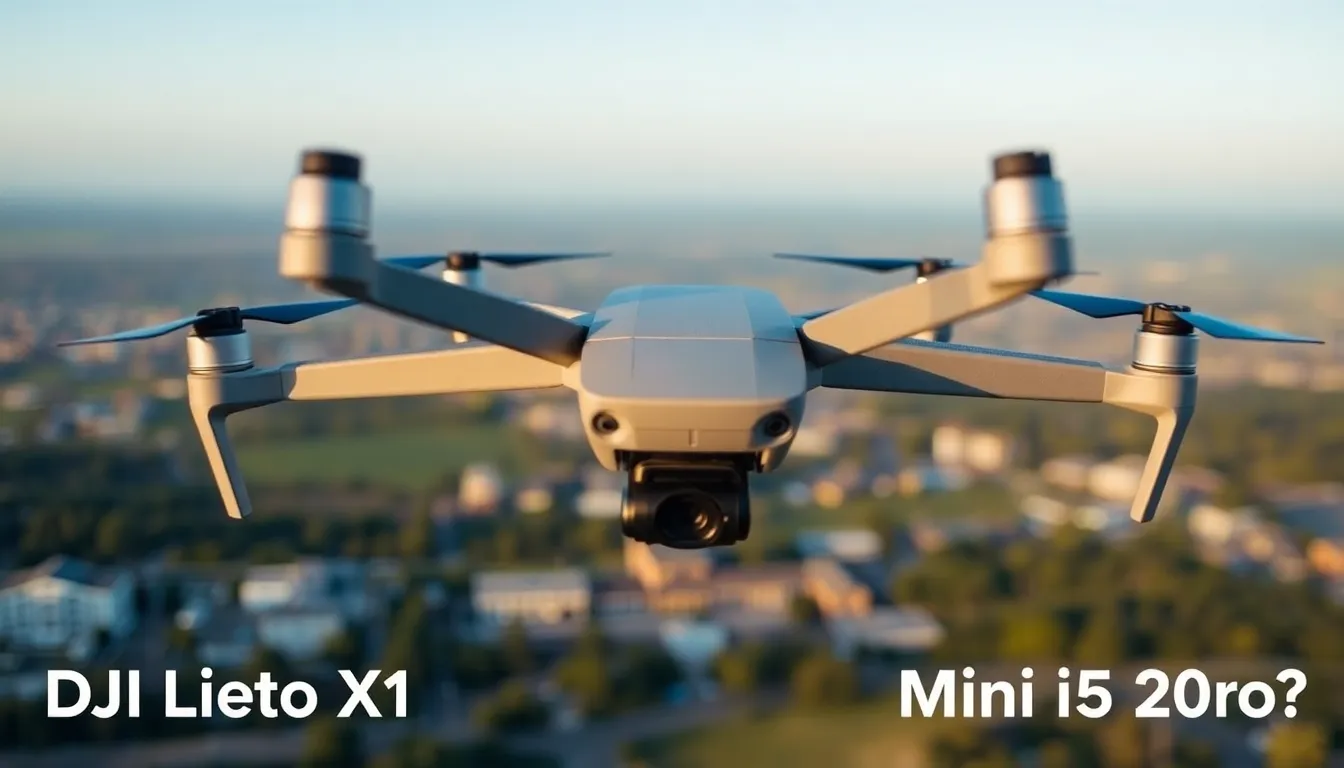
A recent blind camera test by UK-based YouTube creator DM Productions has stirred up genuine debate in the drone community. The test pitted the newly released DJI Lito X1 — retailing at around £369 — directly against the more established DJI Mini 5 Pro, which commands closer to £689. What made the results so striking was just how difficult viewers found it to distinguish between the footage from each drone. For a 4K camera drone priced at nearly half the cost of its rival, the Lito X1 clearly exceeded expectations. Both drones were flown using standard and D-Log M colour profiles, giving a reasonably fair real-world comparison rather than a purely clinical lab test. It is worth noting that the Mini 5 Pro carried an ND32 filter during filming while the Lito X1 did not, since compatible third-party filters are not yet available for the newer model. Even accounting for that inconsistency, the Lito X1 produced footage that held up remarkably well. For budget-conscious pilots who want a capable GPS Drone without stretching to premium pricing, this test raises a genuinely compelling question about where the real value lies in today’s sub-250g market.
Shared Features Make the Price Gap Even Harder to Justify
One of the more revealing aspects of this comparison is just how much technology the two drones share despite their significant price difference. Both the DJI Lito X1 and the Mini 5 Pro sit under the 250g regulatory threshold, which is an important practical advantage for pilots flying in the UK and EU where weight-based rules apply. Both models include ActiveTrack 360 with subject tracking, omnidirectional obstacle sensing, and the same forward-facing LiDAR system for low-light navigation. Dynamic home point updates, 4K60 HDR recording in 10-bit D-Log M, and a quoted 36-minute flight time are also shared across both platforms. Real-world pilots should reasonably expect around 20 to 25 minutes of active flying per battery, which is fairly standard for this class of GPS drone. The fact that a £369 4K Drone now ships with feature sets that were once considered premium territory is genuinely good news for the hobby overall. It signals that the bar for entry-level performance has risen considerably, and pilots who previously found the Mini Pro range financially out of reach now have a serious alternative that does not require significant compromise on core functionality.
Where the Mini 5 Pro Still Holds the Advantage
Despite the impressive showing from the Lito X1, the Mini 5 Pro retains some meaningful advantages that certain pilots will find difficult to overlook. Its larger one-inch CMOS sensor delivers 50 megapixels and noticeably stronger dynamic range performance, particularly in low-light or high-contrast scenes. The rotating gimbal on the Mini 5 Pro enables true vertical 4K60 video at full sensor resolution — a genuinely useful feature for content creators targeting social media platforms. By contrast, the Lito X1 crops down to 2.7K for vertical output, which is a meaningful distinction for professional workflows. The Mini 5 Pro also offers a theoretical transmission range of 30 km versus the Lito X1’s 15 km, along with 2x lossless zoom and HLG colour profile support — neither of which feature on the Lito X1. That said, DM Productions made a fair point about real-world usage: how often do most recreational pilots actually use vertical video mode or push transmission range to its limits? For the average hobbyist or part-time content creator, the answer may be rarely. Ultimately, if you need the absolute best image quality and professional versatility, the Mini 5 Pro justifies its price. For everyone else, the Lito X1 is a remarkably strong 4K camera drone at a much friendlier price point.
Source: DJI Lito X1 vs Mini 5 Pro Camera: Value & Performance
We are a participant in the Amazon Services LLC Associates Program, an affiliate advertising program designed to provide a means for sites to earn advertising fees by advertising and linking to Amazon.com. As an Amazon Associate I earn from qualifying purchases. We also participate in other affiliate programs.