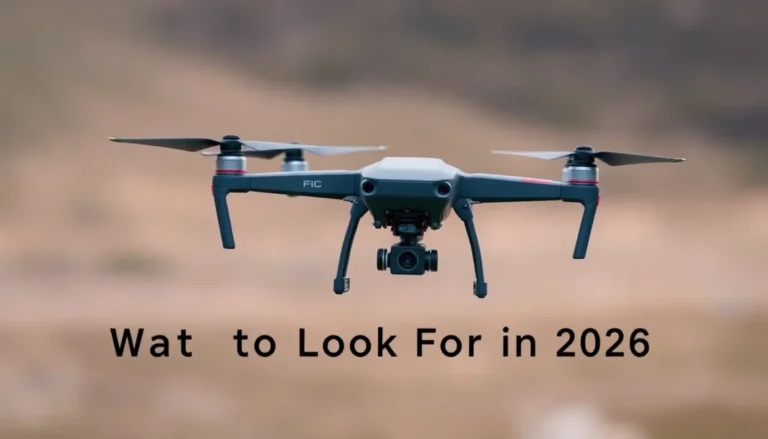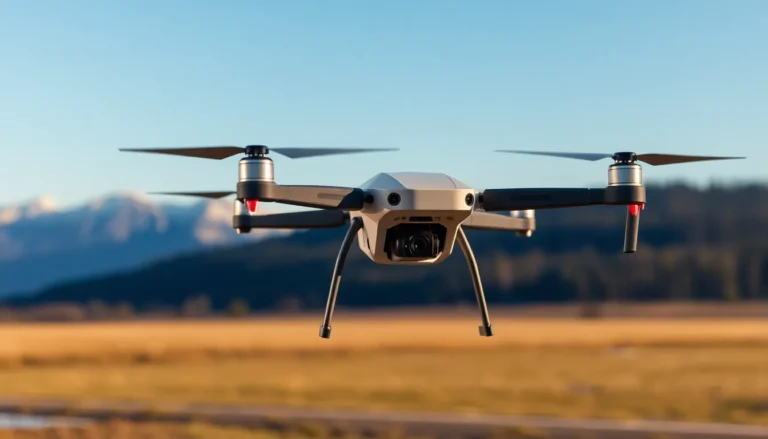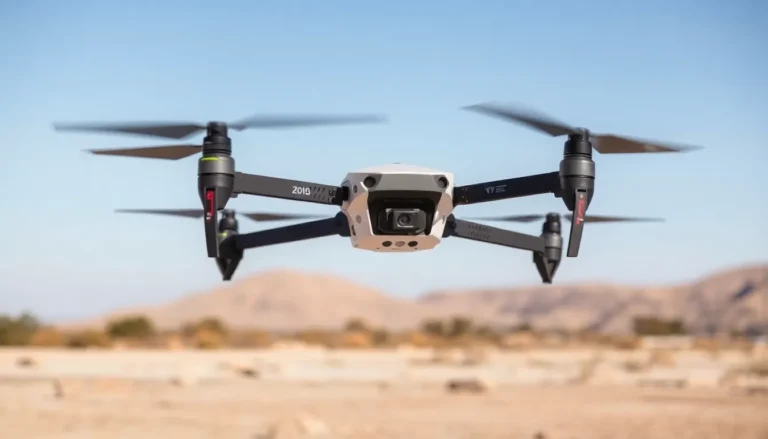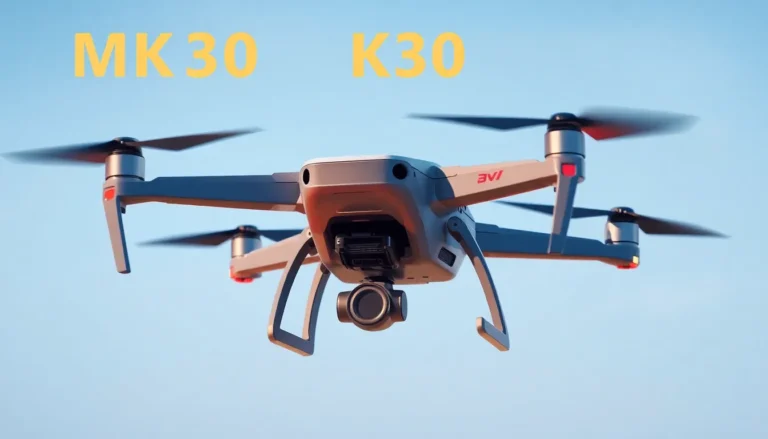
4K Drone Testing: When Your Plan Meets Real-World Conditions
When Reality Changes the Game Mid-Flight
Anyone who has taken a 4K Drone out for a serious test flight knows the feeling. You’ve prepared thoroughly, mapped out every step, and walked through the sequence in your head a dozen times. Then, somewhere during the operation, something subtle shifts. The GPS Drone doesn’t respond exactly as it did during your last session. The wind behaves differently. The communication link isn’t quite as crisp as your pre-flight checks suggested. Nothing has catastrophically failed, but something feels off. This is a pivotal moment that many operators overlook, especially when they’re eager to push through the checklist and call the session a success. The reality is that no test plan — however carefully constructed — can fully anticipate what the environment, the aircraft, or the conditions will throw at you on the day. Real-world drone operations are rarely linear. Assumptions get baked into planning documents without anyone realising it, and it’s only once you’re airborne that those assumptions get exposed. Recognising this moment early, rather than forcing your way through it, is what separates a genuinely productive test session from one that simply generates data without meaningful insight.
The Smarter Approach: Adapt Without Losing Control
When your 4K camera drone test plan starts showing its cracks, you essentially have two choices. The first is to push ahead anyway, making minor adjustments here and there, quietly glossing over the gaps, and telling yourself the results are still valid. This approach might feel efficient in the moment, but it tends to erode the value of everything you’ve collected. The second option is more demanding but far more rewarding: acknowledge what is actually happening in front of you and adapt your approach accordingly. This doesn’t mean scrapping the plan entirely. A well-designed test plan for a GPS Drone still provides essential structure, safety boundaries, and a logical framework. But it should be treated as a starting point, not a rigid script. The real learning in any drone test comes from the moments where the plan and reality diverge. Those gaps reveal the assumptions that weren’t validated, the variables that weren’t accounted for, and the behaviours that weren’t predicted. Skilled operators learn to spot these moments and treat them as useful data points rather than inconveniences. Adapting mid-session with awareness and intent, while keeping the operation safe and controlled, is a genuine skill that improves with experience and deliberate reflection.
Building Better Test Habits for 4K Drone Operations
Whether you’re evaluating a new 4K camera drone for professional aerial photography or putting a GPS Drone through its paces for a commercial inspection workflow, building better testing habits starts with a simple mindset shift. Instead of asking ‘Did we complete the plan?’, start asking ‘What did the plan fail to predict?’ This reframes the entire session around learning rather than compliance. Practically speaking, this means keeping a live log of moments where conditions or aircraft behaviour deviate from expectations, even slightly. It means debriefing honestly after each flight rather than just archiving the data. And it means building flexibility into future plans based on what previous sessions have taught you. A 4K Drone equipped with high-resolution imaging and intelligent GPS stabilisation gives you excellent tools, but tools only deliver value when the operator around them is thinking critically. The best drone test programmes are iterative by design. They expect the unexpected, they reward honest observation, and they treat every deviation as an opportunity to improve the next session. Over time, this approach produces far more reliable, trustworthy results than any perfectly executed checklist ever could. Start looking for the moment the plan meets reality — and learn from what you find there.
Source: The moment you realise your test plan doesn’t match reality
We are a participant in the Amazon Services LLC Associates Program, an affiliate advertising program designed to provide a means for sites to earn advertising fees by advertising and linking to Amazon.com. As an Amazon Associate I earn from qualifying purchases. We also participate in other affiliate programs.