HDZero Goggles Review: Digital FPV Worth the Upgrade?
What Makes HDZero Different From Analog FPV?
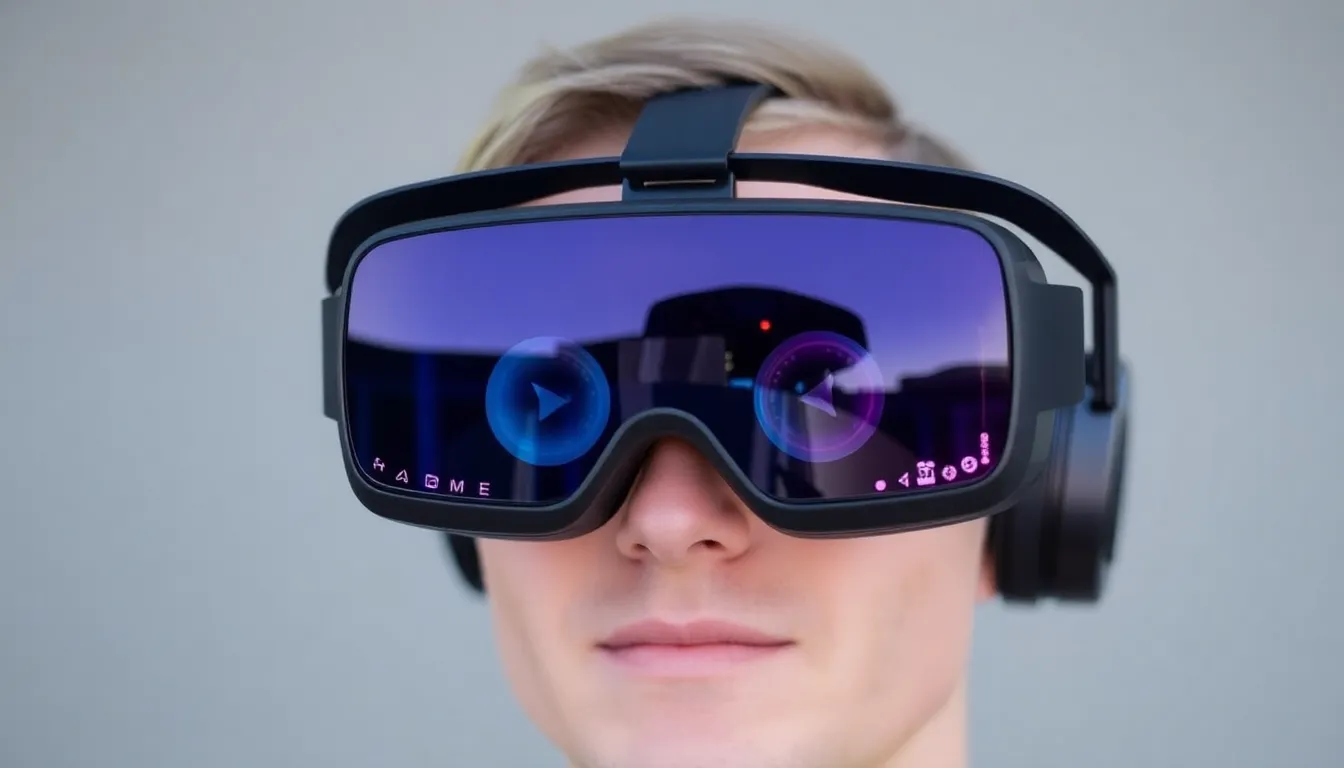
If you’ve spent any time flying FPV quads on a traditional analog setup, you’ll be familiar with the frustrations: fuzzy video, signal dropouts mid-flight, and interference from other pilots on the same frequency. HDZero goggles aim to solve these exact problems by switching to a dedicated digital transmission protocol built specifically for racing and freestyle pilots.
Unlike standard 5.8GHz analog systems, HDZero uses digital encoding paired with error correction technology, resulting in a remarkably stable and clean video feed. The goggles work alongside dedicated HDZero VTX modules mounted on your quad, forming a reliable communication link optimized for low latency and signal integrity. Crowded flying venues that used to be a nightmare for analog pilots become far more manageable with HDZero’s digital approach.
It’s also worth mentioning the built-in DVR feature. Rather than strapping on external recording hardware, HDZero captures footage directly inside the goggles. This is genuinely useful for reviewing your flight lines or creating content without the added weight and complexity. Whether you fly a lightweight racer or something closer to a 4K camera drone setup, cleaner video feedback makes a real difference to your overall flying confidence and precision.
Technical Specifications and In-Flight Performance
On the technical side, HDZero goggles deliver end-to-end latency in the range of 60 to 80 milliseconds, putting them comfortably in the same tier as competing digital systems like DJI O3. For competitive racing pilots, that responsiveness matters enormously. Even small delays above 100 milliseconds can disrupt muscle memory and make tight gap passes feel disconnected. The display resolution of 1280×960 at 60Hz produces a noticeably sharper image than any analog feed, reducing motion blur during fast, aggressive flying.
The goggles also feature 48dB integrated diversity reception, which continuously monitors multiple antennas and locks onto the strongest available signal. This is particularly helpful when flying in areas with heavy radio frequency interference. A built-in 4000mAh battery provides roughly 90 to 120 minutes of operation, enough to cover several full battery packs in a single session without needing to recharge the goggles mid-day.
Camera compatibility is reasonably flexible. Any standard NTSC or PAL FPV camera works, provided you add an HDZero-compatible camera module from brands like Runcam or Foxeer, typically priced between $40 and $60. The VTX modules weigh just 5 to 8 grams, making them easy to fit on most racing and freestyle frames. Even pilots transitioning from a GPS Drone or 4K Drone build will find the hardware straightforward to integrate.
Cost Breakdown and Is HDZero Worth It?
Budget-conscious pilots will rightly pause at the price tag. Expect to spend $300 to $400 on the goggles alone, with an additional $60 to $100 for a VTX module and another $40 to $60 for a compatible camera module. Compared to a capable analog setup, the upfront investment is noticeably higher, and that’s a legitimate consideration for anyone just getting started in FPV.
That said, the long-term value proposition is stronger than the initial numbers suggest. Analog pilots flying in busy areas often purchase multiple VTX units to work around frequency conflicts with other pilots. HDZero’s digital protocol eliminates that problem entirely, since multiple quads can operate simultaneously without video interference. Over time, those hidden analog costs start to add up.
The flight experience itself tends to win people over quickly. Pilots consistently report that the stable, high-clarity video feed improves their situational awareness, particularly in visually complex environments like wooded areas or urban settings. If you already own or are considering a 4K camera drone or a GPS drone for aerial photography, the jump to a dedicated digital FPV system like HDZero for your racing rig starts to make even more sense. Overall, for serious pilots ready to invest in reliability and performance, HDZero is a well-rounded and genuinely capable choice.
We are a participant in the Amazon Services LLC Associates Program, an affiliate advertising program designed to provide a means for sites to earn advertising fees by advertising and linking to Amazon.com. As an Amazon Associate I earn from qualifying purchases. We also participate in other affiliate programs.