Fiber-Optic FPV Drones: Tech Breakdown & Real-World Limits
What Makes Fiber-Optic FPV Drones Unique?
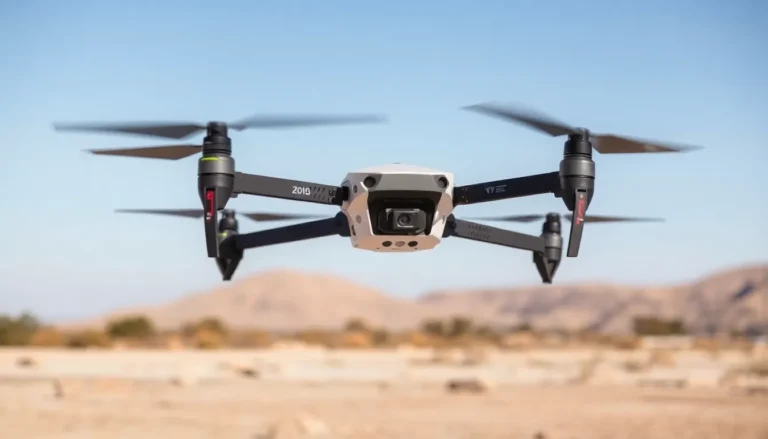
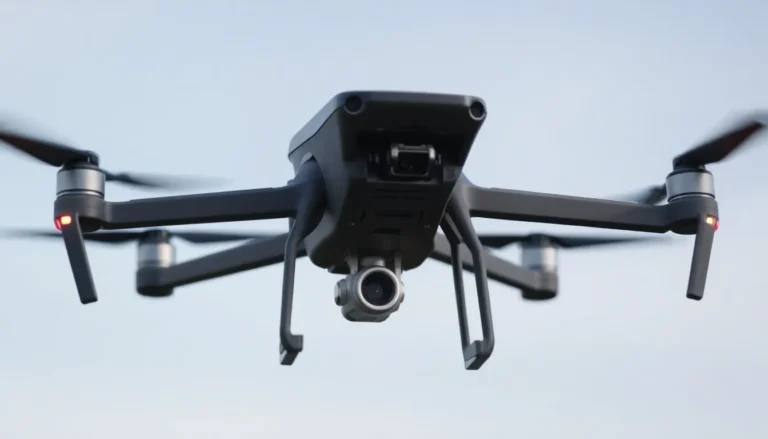
Most hobbyists and professionals are familiar with the standard 4K camera drone or GPS Drone that relies on radio frequency signals for control and live video transmission. Fiber-optic FPV drones work on an entirely different principle. Instead of broadcasting a wireless signal, they trail an ultra-thin glass filament behind them as they fly, transmitting video and operator commands through that physical tether. This design makes them completely immune to electronic jamming systems that would otherwise cut the connection on a conventional radio-linked drone. For context, think of the difference between a wireless home internet connection and a hardwired ethernet cable — one can be disrupted by interference, the other simply cannot. This technological distinction has significant implications for how these drones are deployed and countered. While a standard 4K Drone or GPS drone offers ease of use and portability for everyday applications, the fiber-optic variant trades flexibility for resilience. The filament itself is extremely fine, roughly comparable to fishing line in appearance, yet it carries high-bandwidth data reliably over considerable distances. Understanding this core design difference is essential before evaluating the practical strengths and weaknesses of the technology in any real-world operating environment.
Key Strengths and Notable Limitations
From a purely technical standpoint, fiber-optic FPV drones offer a compelling advantage over traditional designs. Where a GPS drone or 4K camera drone can be neutralized by signal jamming equipment, the fiber-linked system continues operating undisturbed. This makes it an attractive option in environments where electronic countermeasures are active. Production of these systems has scaled significantly, reflecting genuine demand for jam-resistant aerial platforms. However, the technology is not without meaningful drawbacks. The fiber filament, while strong under steady pulling tension, has a specific physical vulnerability: when force is concentrated at a single point through a looped grip and a sharp, focused pinch, the cable can be severed. This is a fundamental materials limitation rather than a design oversight, but it represents a real weak point that opponents have identified and documented. Additionally, the trailing cable limits the drone’s agility compared to a fully wireless 4K drone, potentially affecting maneuverability in cluttered or obstacle-rich environments. Supply chain considerations also affect the technology’s scalability — the specialized fiber spool material is in global demand, and price fluctuations can impact operational capacity. Balancing these strengths against the limitations gives a realistic picture of where fiber-optic FPV technology excels and where it still has room to mature.
Practical Countermeasures and Takeaways for Drone Enthusiasts
The story of fiber-optic FPV drones offers broader lessons that resonate even in civilian and commercial drone communities. For anyone evaluating whether a GPS drone, a 4K camera drone, or a more specialized system suits their needs, understanding the trade-offs between wireless convenience and physical resilience is genuinely useful. Fiber-optic tethered drones sacrifice the freedom of untethered flight in exchange for signal security — a trade-off worth weighing carefully depending on the application. On the countermeasure side, various approaches have been tested, including physical netting, thermal cable-cutting devices, and tracing the filament back to its source. None have yet proven consistently reliable at scale, underscoring how difficult it is to neutralize a well-designed system once it is airborne. The most effective documented method remains the physical severance of the cable at a concentrated point — a surprisingly low-tech solution to a high-tech problem. This is a reminder that even the most advanced drone technology carries inherent physical properties that create exploitable vulnerabilities. For drone enthusiasts, engineers, and tech reviewers alike, the evolution of fiber-optic FPV systems is a fascinating case study in how innovation drives counter-innovation, and how no single design is ever truly without limitation. Staying informed helps users make smarter, better-rounded choices in a rapidly evolving market.
We are a participant in the Amazon Services LLC Associates Program, an affiliate advertising program designed to provide a means for sites to earn advertising fees by advertising and linking to Amazon.com. As an Amazon Associate I earn from qualifying purchases. We also participate in other affiliate programs.