How Better Batteries Are Transforming Commercial Drone Delivery
A Partnership Built Around Performance
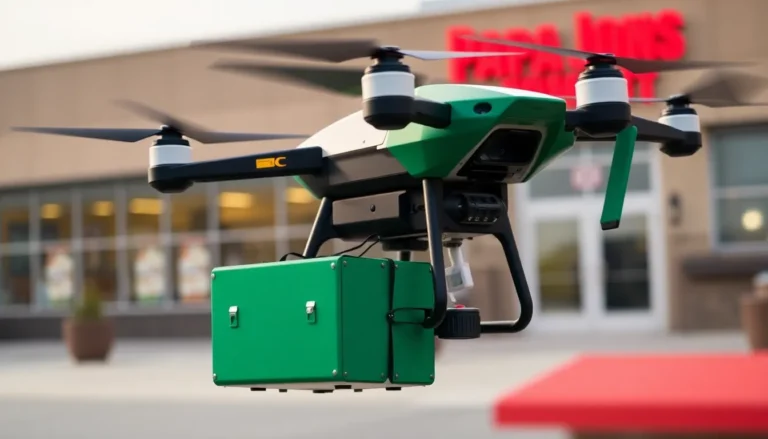
Battery manufacturer Amprius Technologies and drone delivery company Matternet have joined forces to tackle one of the biggest challenges in commercial drone operations: energy efficiency. Their partnership focuses on integrating Amprius silicon anode lithium-ion cells into Matternet’s current M2 delivery aircraft, with deeper collaboration already underway for Matternet’s next-generation platform.
This kind of technology partnership matters because it signals where the drone industry is heading. Whether you’re interested in a GPS Drone for recreational use or following professional delivery fleets, battery performance is a universal concern. For commercial operators like Matternet, every improvement in battery capability has a direct knock-on effect for how many deliveries can be completed, how far aircraft can fly, and how quickly they can return to service.
Matternet’s CEO summed it up clearly: more range means wider network coverage, faster charging means better fleet availability, and lighter batteries mean greater payload capacity. These aren’t just technical wins — they translate into real business advantages. Amprius, for its part, is focused on working with industry leaders where battery improvements genuinely change what’s operationally possible, rather than simply offering incremental upgrades.
What Silicon Anode Technology Actually Delivers
The core of this partnership is Amprius’s silicon anode cell technology, which the company says can offer up to double the energy density compared to conventional graphite-based lithium-ion batteries. In practical terms, that means a battery pack can store significantly more energy without adding proportional weight — a critical advantage in aviation where every gram counts.
For drone operators managing fleets at commercial scale, this kind of improvement can reshape daily operations. Aircraft can fly longer routes, carry heavier payloads, and spend less time on the ground recharging between missions. The two companies are tailoring the battery system specifically around Matternet’s aircraft design and delivery network, optimising factors like cell selection, thermal management, charge rates, and overall battery lifespan.
This level of customisation is what separates a genuine performance partnership from simply swapping in an off-the-shelf component. Much like how a 4K camera drone benefits from purpose-built image stabilisation and sensor calibration rather than generic hardware, purpose-engineered battery systems give delivery drones a measurable operational edge. The goal isn’t just better specs on paper — it’s reducing cost per delivery and increasing aircraft availability as operations grow.
What This Means for the Drone Industry’s Future
Matternet has an established track record that makes this partnership particularly noteworthy. The company was the first drone delivery operator to receive FAA Type Certification for a delivery drone platform in the United States and has completed more than 60,000 commercial flights across both the US and Europe. That level of operational experience means any battery improvements are tested in genuinely demanding real-world conditions.
The broader drone delivery sector is at an important inflection point. Many companies are moving beyond small pilot programmes toward larger-scale commercial deployments, and battery technology is one of the most significant factors determining how quickly that transition can happen. Electric delivery drones must carefully balance flight time, payload weight, charging logistics, and safety requirements — leaving little room for compromise.
For enthusiasts tracking developments in everything from a basic 4K Drone to professional delivery aircraft, this partnership is a useful reminder that battery innovation sits at the heart of the industry’s growth. Whether it’s a hobbyist GPS Drone needing longer flight sessions or a commercial fleet chasing cost efficiency, the same fundamental challenge applies. Advances like silicon anode technology suggest the ceiling for drone performance is still rising, which is good news across the board.
Source: Amprius and Matternet Expand Drone Delivery Battery Partnership
We are a participant in the Amazon Services LLC Associates Program, an affiliate advertising program designed to provide a means for sites to earn advertising fees by advertising and linking to Amazon.com. As an Amazon Associate I earn from qualifying purchases. We also participate in other affiliate programs.