How Thermal Drones Save Lives: A Real-World SAR Analysis
A Rescue That Highlights the Power of Drone Technology
In early May, a 91-year-old woman wandered away from a care facility in Plover, Wisconsin, into dense woods in near-freezing temperatures. Within 43 minutes of the initial call, a thermal-equipped drone operated by the Portage County Sheriff’s Office had located her — alive. That kind of response time is remarkable, and it didn’t happen by accident.
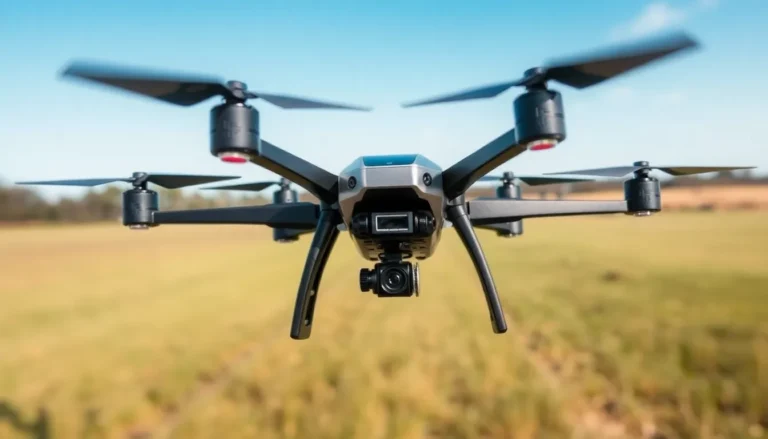
The department had two UAV-trained deputies on shift that night, a detail that made all the difference. Unlike a 4K camera drone focused purely on visual imaging, this platform carried a thermal payload capable of detecting heat signatures in complete darkness. The moment the drone launched, deputies had an aerial perspective that ground teams simply could not replicate on foot in dense woodland at midnight.
For anyone evaluating public safety drone programs, this incident is a compelling case study. Speed of deployment and operator readiness are just as critical as the technology itself. Having a GPS Drone with precise positioning helps pilots maintain stable flight paths during high-pressure searches, but skilled, trained operators are the true force multiplier behind any successful outcome.
Why Thermal Imaging Outperformed Traditional Search Methods
One of the most instructive aspects of this rescue involves the K9 unit. Well-meaning caregivers had already walked extensively through the property searching for the missing resident before authorities arrived. By the time the scent dog was deployed, the trail was significantly contaminated — not due to any fault of the dog or its handler, but because civilian foot traffic had disrupted the scent environment. This is a common and underappreciated challenge in search-and-rescue operations.
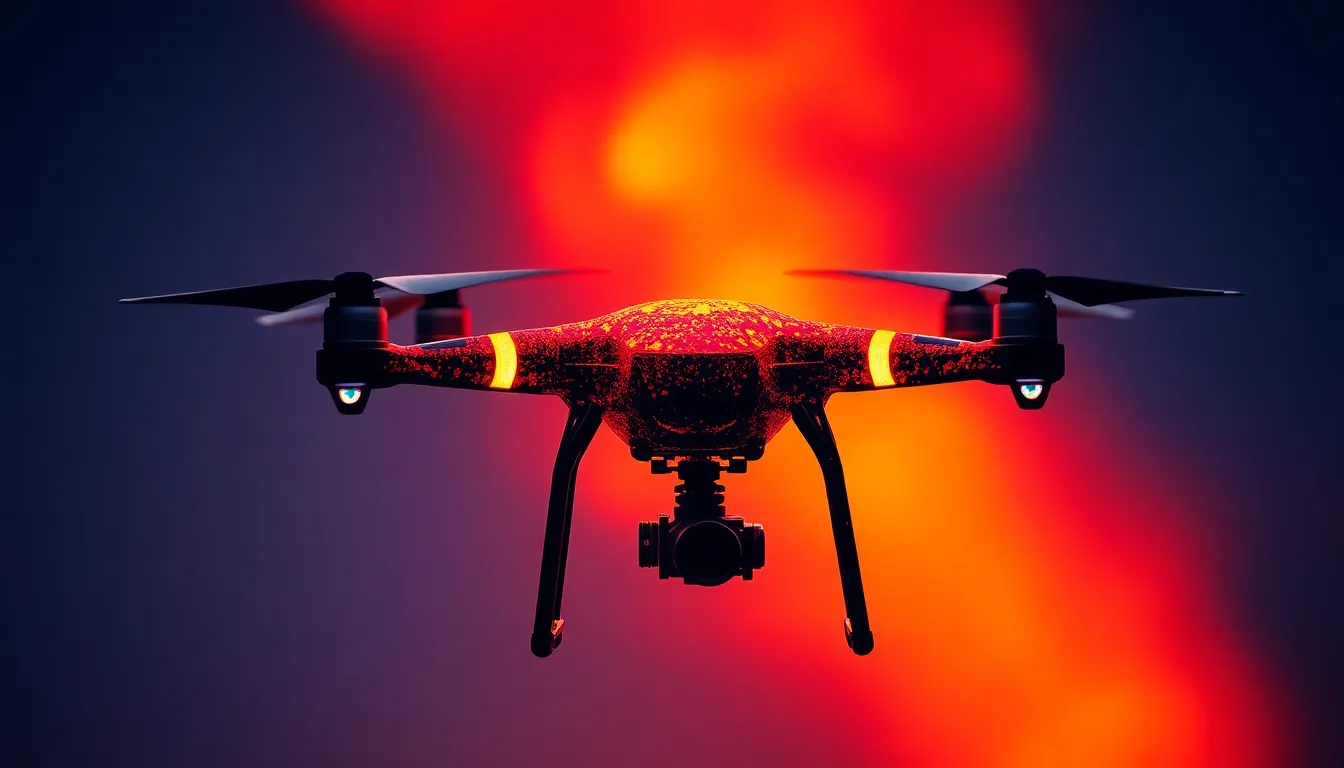
Thermal imaging sidesteps this problem entirely. Rather than relying on scent or visible light, a thermal camera detects temperature differentials between a subject and the surrounding environment. On a cold Wisconsin night with ambient temperatures between 32 and 40 degrees Fahrenheit, a person’s body heat creates a striking contrast against cold ground, brush, and tree trunks — sometimes a 30 to 50-degree difference.
Even a high-quality 4K Drone with a powerful spotlight would struggle in thick woodland at midnight, where branches obscure sightlines and shadows multiply. A thermal payload bypasses that visual clutter completely, turning a near-invisible search scenario into a manageable, data-driven operation. The woman appeared as a clear, bright heat signature — impossible to miss from above.
What This Rescue Teaches Buyers and Program Builders
For departments or agencies considering investing in drone technology, this Wisconsin rescue offers a practical framework for evaluation. The hardware landscape has improved dramatically in recent years. Platforms ranging from compact GPS drone models to professional-grade systems like the DJI Matrice 300 RTK now offer accessible thermal imaging capabilities that were once reserved for large agencies with significant budgets.
But hardware is only part of the equation. The Portage County Sheriff’s Office succeeded because they combined the right equipment with consistent training and thoughtful shift scheduling. Owning a capable 4K camera drone or thermal platform means little if trained operators aren’t available when a call comes in at 11 p.m. on a Monday.
For consumer buyers, this story reinforces the broader value of investing in quality drone technology with reliable GPS stabilization and camera systems. Whether you’re a hobbyist, a filmmaker, or a professional, understanding what your platform can and cannot do — and building the skills to use it confidently — is what separates good outcomes from great ones.
Ultimately, the lesson here is straightforward: technology enables, but preparation and training deliver results. The right drone program, built thoughtfully, can genuinely save lives.
Source: Thermal Drone Rescues 91-Year-Old in Wisconsin Woods
We are a participant in the Amazon Services LLC Associates Program, an affiliate advertising program designed to provide a means for sites to earn advertising fees by advertising and linking to Amazon.com. As an Amazon Associate I earn from qualifying purchases. We also participate in other affiliate programs.